Recent research‚ including PDF resources from Journal of Physiological Anthropology‚ details diverse somatotypes in men. Studies analyze male physiques‚ revealing nine distinct anatomy types‚ impacting athletic potential.
Understanding the Concept of Somatotypes
Somatotypes‚ originating from the work of W.H. Sheldon‚ categorize human physique based on three primary components: endomorphy‚ mesomorphy‚ and ectomorphy. However‚ contemporary research‚ accessible through PDF documents‚ expands this to encompass nine distinct male anatomy types. These aren’t rigid classifications‚ but rather represent a spectrum where individuals often exhibit blends of characteristics.
Understanding somatotypes involves assessing body composition – skeletal structure‚ muscularity‚ and fat distribution. Studies‚ like those comparing somatotypes across countries‚ demonstrate variations influenced by genetics and environment. Analyzing these types‚ often via anthropometric measurements detailed in available PDFs‚ provides insights into predisposition for certain athletic pursuits and physiological traits.
Historical Context of Somatotype Research
Somatotype theory began in the 1940s with William Herbert Sheldon’s work‚ initially focusing on personality correlations with body types. Early research‚ documented in foundational publications – some now available as PDFs – proposed three core somatotypes. However‚ subsequent studies‚ including those analyzing athletes‚ revealed the limitations of this simplistic model.
Over time‚ the concept evolved to acknowledge mixed somatotypes and the influence of training and nutrition. More recent investigations‚ detailed in journals like Journal of Physiological Anthropology (accessible via PDF downloads)‚ have identified nuanced variations within male anatomy‚ leading to the recognition of nine distinct types‚ refining Sheldon’s original framework.
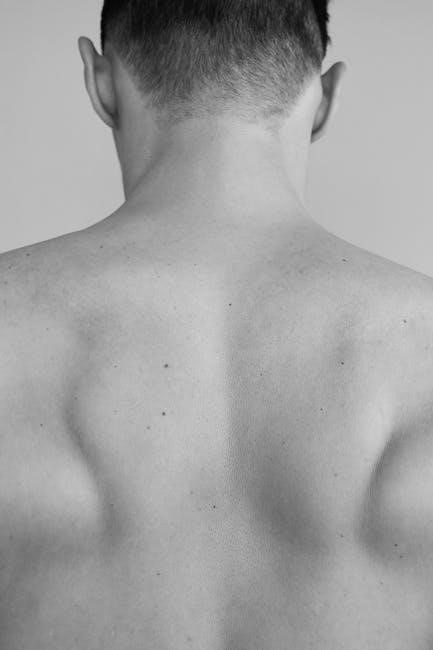
The Three Primary Somatotypes
Foundational research identifies endomorph‚ mesomorph‚ and ectomorph as core male body types; PDF analyses expand upon these‚ forming a basis for nine anatomy types.
Endomorph: Characteristics and Traits
Endomorphs‚ as detailed in various PDF resources concerning somatotypes‚ generally exhibit a softer‚ rounder physique in males. They tend to gain weight easily‚ possessing a higher percentage of body fat and a larger bone structure.
Characteristics include a more pear-shaped body‚ shorter limbs‚ and a wider waist. While not necessarily lacking muscle‚ endomorphs often struggle with fat loss. Metabolically‚ they have a slower rate‚ making weight management challenging.
Traits often include a predisposition towards strength sports‚ though endurance can be lower. PDF studies show variations within the endomorphic type‚ contributing to the broader spectrum of nine male anatomy classifications.
Mesomorph: Characteristics and Traits
Mesomorphs‚ frequently analyzed in somatotype PDF research‚ represent the athletic build in males. They naturally possess a muscular physique with a relatively low fat percentage. This body type excels in activities requiring strength‚ power‚ and agility.
Characteristics include broad shoulders‚ a narrow waist‚ and well-defined musculature. They gain muscle relatively easily and lose fat efficiently. PDF analyses highlight a naturally higher resting metabolic rate.
Traits often involve a competitive drive and a predisposition towards sports like weightlifting‚ football‚ and basketball. Variations within the mesomorph type‚ documented in PDFs‚ contribute to the nine identified male anatomy classifications.
Ectomorph: Characteristics and Traits
Ectomorphs‚ detailed in numerous somatotype PDF studies‚ are characterized by a lean and delicate frame in males. They typically have difficulty gaining both muscle mass and fat. This body type often excels in endurance-based activities.
Characteristics include long limbs‚ a narrow chest and shoulders‚ and a fast metabolism. PDF analyses reveal a lower muscle mass and a higher proportion of carbohydrates in their diet. They often appear taller and thinner.
Traits frequently involve a higher sensitivity and a preference for activities like long-distance running or cycling. Variations within the ectomorph type‚ as documented in PDFs‚ contribute to the nine distinct male anatomy types.

Beyond the Three: Mixed Somatotypes
PDF research expands beyond primary somatotypes‚ identifying blended types in males—like ecto-mesomorphs—reflecting combinations of traits within the nine anatomy classifications.
Ecto-Mesomorph: A Blend of Characteristics
Ecto-mesomorphs represent an intriguing intermediate somatotype‚ blending the leanness of the ectomorph with the muscular potential of the mesomorph. PDF analyses of male athletes reveal individuals possessing a naturally slender frame‚ yet capable of significant muscle gain with dedicated training.
These individuals often exhibit long limbs‚ narrow shoulders‚ and a relatively low body fat percentage. While not possessing the raw power of a pure mesomorph‚ they demonstrate excellent endurance and a capacity for developing a defined‚ athletic physique. Their metabolic rate tends to be faster than mesomorphs‚ requiring consistent caloric intake to support muscle growth. This somatotype benefits from a combination of strength and cardiovascular training.
Meso-Endomorph: A Blend of Characteristics
The meso-endomorph somatotype‚ as detailed in various PDF resources analyzing male body composition‚ combines the muscularity of a mesomorph with the higher body fat and softer physique of an endomorph. Individuals often display a robust build‚ broad shoulders‚ and a natural aptitude for gaining both muscle and fat.
They typically excel in power sports‚ benefiting from inherent strength and a higher energy reserve. However‚ maintaining a lean physique requires diligent attention to diet and consistent cardiovascular exercise. Metabolism is generally moderate‚ and they may find it easier to build muscle but also quicker to accumulate body fat. This blend requires a balanced training approach.
Endo-Ectomorph: A Blend of Characteristics
The endo-ectomorph somatotype‚ explored in PDF analyses of male physiques‚ represents a unique combination of traits. These individuals possess the endomorph’s tendency to store fat alongside the ectomorph’s lean muscle mass and longer limbs. They often appear somewhat rounded but can develop noticeable muscle definition with targeted training.
Metabolically‚ they experience a slower rate‚ making fat loss challenging. Building muscle requires consistent effort‚ but they can achieve a surprisingly athletic build. They benefit from a diet prioritizing protein and complex carbohydrates‚ coupled with a training regimen emphasizing both strength and endurance work.

Detailed Anatomical Considerations within Somatotypes
PDF studies reveal male skeletal structures and muscular development vary significantly across somatotypes‚ influencing fat distribution and overall anatomical profiles.
Skeletal Structure Variations
PDF analyses demonstrate substantial skeletal differences among male somatotypes. Endomorphs often exhibit broader‚ denser bones‚ facilitating weight support‚ while ectomorphs typically possess lighter‚ more elongated skeletal frames. Mesomorphs showcase a robust‚ muscular skeletal build‚ optimized for strength and power.
Variations extend to bone density‚ joint size‚ and limb proportions. Research indicates that these skeletal characteristics are not solely genetically determined but are also influenced by training regimens and nutritional intake throughout development. Understanding these nuances is crucial for personalized fitness and injury prevention strategies‚ as highlighted in various anthropological studies.
Muscular Development Differences
PDF resources reveal significant muscular disparities across male somatotypes. Mesomorphs naturally exhibit superior muscle mass and definition‚ responding rapidly to resistance training. Ectomorphs‚ conversely‚ struggle with muscle gain‚ requiring focused effort and caloric surplus. Endomorphs possess a predisposition for muscle growth‚ but often alongside increased fat storage.
Muscle fiber type composition—fast-twitch versus slow-twitch—also varies. Mesomorphs generally have a higher proportion of fast-twitch fibers‚ ideal for power activities. These differences impact athletic performance and dictate optimal training protocols‚ as detailed in somatotype research.
Fat Distribution Patterns
PDF analyses of male somatotypes demonstrate distinct fat storage tendencies. Endomorphs typically accumulate fat evenly throughout the body‚ particularly in the abdominal and thigh regions. Mesomorphs tend to store fat minimally‚ and when they do‚ it’s more evenly distributed. Ectomorphs‚ with their fast metabolisms‚ generally have difficulty gaining substantial fat reserves.
Research indicates hormonal influences play a key role. Variations in fat distribution impact metabolic health and body composition. Understanding these patterns‚ as outlined in somatotype studies‚ is crucial for tailored nutritional strategies.

Somatotypes and Athletic Performance
PDF resources reveal somatotypes significantly influence athletic aptitude; mesomorphs excel in strength sports‚ ectomorphs in endurance‚ and endomorphs in power-based activities.
Endomorphs in Sports
Endomorphs‚ characterized by a softer‚ rounder physique‚ often excel in sports demanding substantial mass and power. PDF analyses of somatotypes demonstrate their aptitude for weightlifting‚ powerlifting‚ and wrestling‚ where greater body weight provides a competitive advantage. However‚ they may face challenges in endurance-based activities due to a predisposition towards higher body fat percentages.
Strategic training focuses on converting fat into muscle and improving cardiovascular fitness. While not naturally suited for long-distance running‚ endomorphs can succeed with dedicated conditioning. Success hinges on leveraging their inherent strength and building stamina‚ as highlighted in various somatotype studies.
Mesomorphs in Sports
Mesomorphs‚ possessing a naturally athletic build with broad shoulders and a narrow waist‚ frequently dominate a wide range of sports. PDF resources detailing somatotype profiles reveal their predisposition for success in activities requiring strength‚ speed‚ and agility. Gymnastics‚ basketball‚ football‚ and competitive swimming often showcase mesomorphic athletes.
Their efficient muscle-building capacity and relatively low fat storage make them responsive to training. While naturally gifted‚ mesomorphs still require dedicated effort to refine technique and maximize performance. Studies indicate they adapt quickly to diverse training regimens‚ consistently achieving high levels of athletic prowess‚ as documented in various analyses.
Ectomorphs in Sports
Ectomorphs‚ characterized by a lean‚ slender physique with long limbs‚ often excel in endurance-based sports. PDF analyses of somatotypes demonstrate their suitability for activities demanding sustained effort over prolonged periods. Distance running‚ cycling‚ and swimming are common domains where ectomorphs thrive‚ leveraging their efficient oxygen uptake.
While building muscle mass can be challenging‚ strategic strength training enhances their performance. Their lower body fat percentage provides an advantage in endurance events. However‚ they require careful nutritional planning to support energy demands and muscle recovery‚ as highlighted in several research publications.

Measuring and Assessing Somatotypes
Anthropometric measurements‚ detailed in PDF resources‚ are crucial for somatotype assessment. Methods involve skinfold thickness‚ limb circumference‚ and height‚ enabling accurate body composition analysis.
Anthropometric Measurements
Anthropometric assessments‚ frequently documented in accessible PDF formats‚ form the cornerstone of somatotype identification. These measurements meticulously quantify the human body’s dimensions. Key indicators include height‚ weight‚ and circumferences of limbs – biceps‚ forearm‚ thigh‚ and calf – providing insights into muscular development.
Skinfold thickness measurements‚ taken at specific sites like triceps‚ biceps‚ subscapular‚ and suprailiac‚ estimate body fat percentage. Furthermore‚ breadth measurements of the shoulders and hips contribute to a comprehensive profile. These data points‚ when analyzed‚ reveal the underlying somatotype composition‚ aiding in understanding individual anatomical variations among men.
Somatotype Calculation Methods
Determining somatotypes relies on established formulas‚ often detailed within readily available PDF guides. The Heath-Carter method‚ a prevalent technique‚ assigns numerical values to endomorphy‚ mesomorphy‚ and ectomorphy based on anthropometric data. These values‚ ranging from 1 to 7 for each component‚ represent the degree to which an individual exhibits characteristics of each somatotype.
The resulting three numbers form a somatotype equation‚ such as 2-6-3‚ indicating a predominantly mesomorphic build. Modern adaptations and software tools streamline this process‚ offering more precise assessments of the nine male anatomy types.
Using PDF Resources for Somatotype Analysis
Numerous PDF documents provide in-depth guidance on somatotype assessment‚ crucial for understanding the nine male anatomy types. Resources from journals like Journal of Physiological Anthropology offer detailed methodologies and normative data. These guides often include anthropometric measurement protocols and calculation formulas‚ like the Heath-Carter method.
Researchers and practitioners utilize these PDFs to standardize assessments and compare results across populations. Accessing these resources facilitates accurate somatotype identification‚ aiding in personalized training and nutritional strategies tailored to individual body compositions.

Somatotypes and Physiological Characteristics
PDF analyses reveal correlations between the nine male anatomy types and metabolic rates‚ alongside distinct hormonal profiles influencing body composition and physiological responses.
Metabolic Rate Variations
PDF research indicates significant metabolic rate differences across the nine identified male anatomy types. Endomorphs generally exhibit lower basal metabolic rates‚ predisposing them to efficient energy storage‚ while ectomorphs demonstrate higher rates‚ making fat gain challenging. Mesomorphs typically possess a balanced metabolic rate‚ facilitating both muscle gain and fat loss.
Variations within mixed somatotypes‚ like ecto-mesomorphs‚ show intermediate rates. Studies emphasize that metabolic rate isn’t solely determined by somatotype; factors like age‚ activity level‚ and genetics also play crucial roles. Understanding these variations is vital for tailored nutritional and exercise strategies‚ optimizing health and performance for each unique male physique.
Hormonal Profiles and Somatotypes
PDF analyses reveal correlations between somatotypes and hormonal profiles in men. Mesomorphs often exhibit higher testosterone and growth hormone levels‚ supporting greater muscle mass. Endomorphs may have comparatively lower testosterone and increased cortisol‚ influencing fat storage. Ectomorphs typically display lower levels of both testosterone and estrogen.
These hormonal differences aren’t absolute; individual variation exists. Mixed somatotypes demonstrate blended hormonal characteristics. Research suggests hormonal imbalances can influence somatotype expression. Optimizing hormonal health through diet‚ exercise‚ and lifestyle is crucial for maximizing potential within each male anatomy type‚ as detailed in available resources.

Somatotype Research in Different Populations
PDF studies compare somatotypes across populations; Slovak and Saudi Arabian male soccer players show variations. Cross-cultural analyses reveal genetic and environmental influences.
Somatotype Studies of Athletes
Extensive research‚ often documented in PDF format‚ focuses on somatotype distribution among athletes. Studies involving 188 male athletes across twelve sports reveal correlations between body type and performance. These investigations‚ like those examining Canadian men and women‚ demonstrate that mesomorphs frequently excel in power sports‚ while ectomorphs often dominate endurance disciplines.
Furthermore‚ analyses of male soccer players in Colombia highlight specific somatotype profiles within that sport. The intense training regimens can also shift an athlete’s somatotype over time‚ influencing their physical characteristics and capabilities‚ as evidenced by studies on young boys.
Cross-Cultural Somatotype Comparisons
Comparative studies‚ frequently available as PDF downloads‚ reveal significant variations in somatotype prevalence across different populations. Research comparing male and female somatotypes from ten countries highlights these distinctions. Analyses of Slovak and Saudi Arabian male soccer players demonstrate unique somatotype profiles influenced by genetics and environmental factors.
These cross-cultural investigations emphasize that somatotype distribution isn’t uniform globally. Factors like diet‚ lifestyle‚ and ancestral background contribute to observed differences‚ offering valuable insights into human biological diversity and adaptation.

Limitations and Criticisms of Somatotype Theory
Somatotype theory faces criticism due to the complexity of body composition and environmental influences‚ as detailed in various PDF research papers and publications.
The Complexity of Human Body Composition
Human body composition is remarkably intricate‚ extending far beyond simple somatotype classifications. While the nine male anatomy types offer a framework‚ they represent generalizations. Factors like genetics‚ nutrition‚ training regimens‚ and hormonal balances significantly influence individual physiques.
PDF resources highlight that body fat percentage‚ muscle fiber type distribution‚ and bone density aren’t fully captured by somatotypes. Furthermore‚ individuals rarely fit neatly into a single category; mixed types are common. Accurate assessment requires comprehensive anthropometric measurements and a nuanced understanding of physiological variables‚ acknowledging the inherent variability within the male population.
Environmental Influences on Somatotype Expression
Somatotype expression isn’t solely determined by genetics; environmental factors play a crucial role. Nutrition‚ particularly during developmental years‚ profoundly impacts body composition and can shift an individual’s somatotype. Access to resources‚ cultural dietary habits‚ and caloric intake all contribute.
PDF studies demonstrate that physical activity levels significantly modify anatomical characteristics. Intense training can enhance muscle mass in ectomorphs or refine physiques in endomorphs. Geographic location and climate also exert influence. Understanding these environmental pressures is vital when analyzing the nine male anatomy types.
Practical Applications of Somatotype Knowledge
PDF resources highlight tailoring training and nutrition to individual somatotypes. Understanding the nine male anatomy types optimizes fitness‚ performance‚ and overall well-being effectively.
Personalized Training Programs
PDF analyses of the nine male anatomy types demonstrate the necessity for individualized exercise regimens. Somatotype-specific programs maximize results‚ considering skeletal structure and muscular development. For example‚ mesomorphs benefit from strength training‚ while ectomorphs require focused muscle-building.
Endomorphs thrive with cardio and metabolic workouts. Detailed PDF guides offer specific exercises for each type‚ optimizing performance and minimizing injury risk. These programs move beyond generic routines‚ acknowledging unique physiological characteristics. Adapting training to somatotype enhances athletic potential and promotes long-term fitness success‚ as shown in studies of male athletes.
Nutritional Strategies Based on Somatotype
PDF resources detailing the nine male anatomy types highlight crucial dietary adjustments. Endomorphs require calorie-controlled diets‚ emphasizing protein and limiting carbohydrates‚ to manage fat distribution. Mesomorphs benefit from balanced macronutrient intake‚ supporting muscle growth and recovery.
Ectomorphs need calorie-dense foods‚ prioritizing carbohydrates and healthy fats‚ to fuel activity and gain weight. Somatotype-specific PDF guides offer meal plans and supplement recommendations. These strategies optimize body composition and enhance athletic performance‚ aligning nutrition with individual physiological needs‚ as evidenced by studies on male subjects.

Resources for Further Exploration
PDF downloads from journals like Journal of Physiological Anthropology and online databases offer in-depth analyses of male somatotypes and anatomy types.
Relevant Journals and Publications
Several academic journals consistently publish research pertinent to understanding male anatomy and somatotype classifications. Journal of Physiological Anthropology frequently features studies detailing anthropometric data and body composition analyses‚ often available as PDF downloads. Human Biology has historically presented comprehensive somatotype research‚ including comparisons across populations.
Furthermore‚ publications focusing on sports science and kinesiology often include investigations into the relationship between somatotypes and athletic performance in men. Searching databases like PubMed and Google Scholar using keywords like “male somatotypes‚” “body composition‚” and “anthropometry” will yield relevant articles and potentially downloadable PDF resources.
Online Databases and PDF Downloads
Accessing research on male anatomy types‚ particularly concerning the nine somatotypes‚ often involves utilizing online databases. PubMed Central provides free access to numerous scientific articles‚ many available as PDF downloads. Google Scholar is another valuable resource for locating relevant publications and research papers.
Additionally‚ university libraries and institutional repositories frequently host PDF versions of theses and dissertations exploring somatotype analysis in men. Websites specializing in sports science and human biology may also offer downloadable resources‚ including research summaries and data sets related to male physique classifications.