Cuban Customs Price List 2023/2025: A Comprehensive Guide
This guide details Cuba’s 2023/2025 customs pricing, focusing on import tariffs for both commercial and non-commercial goods, as per resolutions like No. 232/2023.
Sources like Aduana.gob.cu and Cubakilos.com offer detailed lists, classifying imports and outlining associated fees for travelers and importers alike.
Understanding these regulations is crucial for anyone traveling to Cuba or shipping packages, ensuring compliance and avoiding unexpected costs at customs.
Cuban customs regulations are pivotal for anyone importing goods, whether for personal use or commercial ventures. The Aduana de Cuba (Cuban Customs) meticulously categorizes imports as either “commercial” or “non-commercial,” a distinction heavily influencing applicable tariffs.
This classification is governed by evolving resolutions, notably Resolution No. 232/2023 and the foundational Resolution No. 12/1997. These legal frameworks dictate the fees and procedures for bringing items into the country.
Accessing the current listado de precios (price list) is essential, as tariffs are subject to change. Resources like Aduana.gob.cu and Cubakilos.com provide updated information, helping travelers and businesses navigate these complex regulations effectively.
Understanding Commercial vs. Non-Commercial Imports
The core of Cuban customs hinges on differentiating between commercial and non-commercial imports. Commercial imports involve goods intended for sale or business use, facing significantly higher tariffs and stricter regulations. These are detailed within Resolution No. 232/2023.
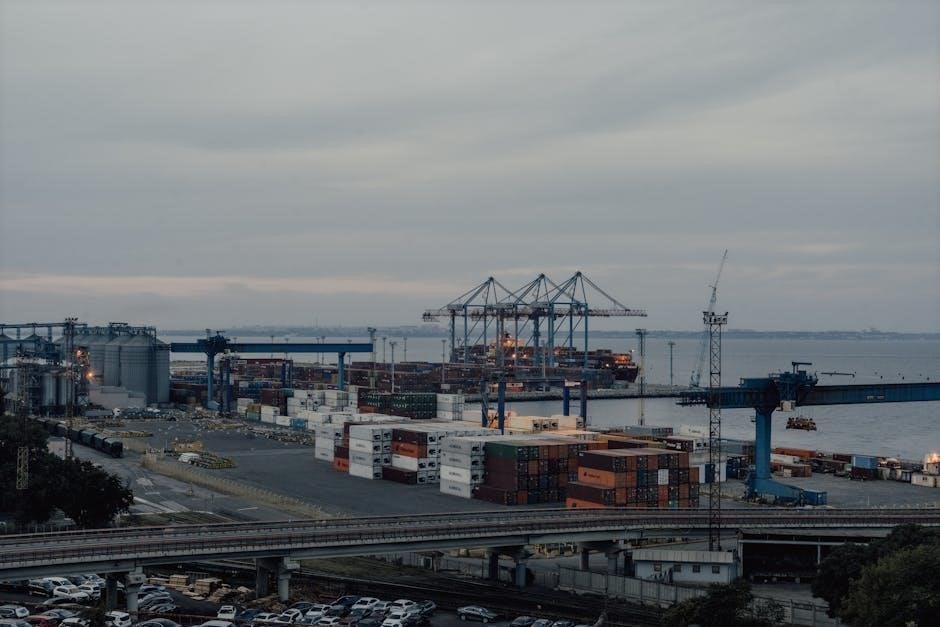
Non-commercial imports, conversely, pertain to personal belongings brought in by travelers. These are subject to allowances and tariffs only when exceeding specified limits. The listado de precios reflects these differing rates.
Determining this classification is crucial, as it dictates the applicable fees and documentation requirements. Resources like Cubakilos.com emphasize this distinction, guiding importers through the process.
Key Resolutions Governing Customs Tariffs
Cuban customs tariffs are primarily governed by two key resolutions: Resolution No. 232/2023 of the MFP and Resolution No. 12/1997 of the MFP. These documents, available via Aduana.gob.cu, outline the framework for assessing and collecting import duties, taxes, and fees.
Resolution No. 232/2023 details current service and tax rates, while Resolution No. 12/1997 provides foundational guidelines. Understanding both is vital for navigating the listado de precios effectively.
These resolutions are subject to amendments, so staying updated is crucial. Resources like Cubakilos.com offer insights into recent changes impacting importers and travelers.
Resolution No. 232/2023 of the MFP
Resolution No. 232/2023, issued by the Ministry of Finance (MFP), establishes the current schedule of services and associated taxes levied by Cuban Customs. This resolution is central to understanding the listado de precios de la aduana de Cuba for 2023 and beyond.
It details specific fees for various customs processes, including inspection, valuation, and documentation. Accessing this document via Aduana.gob.cu is essential for accurate tariff calculations.
The resolution’s provisions impact both commercial importers and passengers bringing goods into Cuba, defining the financial obligations for each category.
Resolution No. 12/1997 of the MFP
Resolution No. 12/1997, also from the Ministry of Finance (MFP), serves as a foundational document in Cuban customs regulations, though frequently updated by newer resolutions like No. 232/2023. It outlines core procedures and methodologies for customs valuation and tariff application.
While older, it remains relevant as a reference point for understanding the historical framework of Cuban import duties. The document, available as a PDF on Aduana.gob.cu, details initial tariff structures.
It’s crucial to note that this resolution is often superseded by more recent amendments, so current importers should prioritize the latest updates.
Commercial Import Tariffs
Commercial imports into Cuba are subject to a structured tariff system, detailed in resolutions like No. 232/2023 of the MFP. These tariffs are categorized under “Comerciales” within the Aduana.gob.cu framework, encompassing forms, methodologies, trade facilitation, and various customs regimes.
The system involves specific documentation and payment procedures, requiring importers to navigate a complex set of regulations. Understanding these tariffs is vital for businesses engaging in trade with Cuba.
Resources like Cubakilos.com offer insights, but official sources remain the definitive guide for accurate, up-to-date information.
Formularios y Metodologías (Forms and Methodologies)
The Cuban customs process for commercial imports necessitates specific forms and methodologies, outlined within Resolution No. 232/2023. These procedures, categorized under “Formularios y Metodologías” on Aduana.gob.cu, dictate how importers must declare goods and calculate associated tariffs.
Detailed documentation is crucial, requiring precise completion of required forms to ensure smooth clearance. Importers must adhere to established methodologies for valuation and classification of goods.
Navigating these requirements can be complex, often necessitating expert assistance to avoid delays or penalties; Official guidance from Aduana.gob.cu is paramount.
Facilitación del Comercio (Trade Facilitation)
Cuba’s customs authorities are actively working to streamline trade processes, categorized under “Facilitación del Comercio” on the Aduana.gob.cu website. These initiatives aim to reduce bureaucratic hurdles and enhance efficiency for importers and exporters.
Key areas of focus include simplified procedures, electronic data interchange, and improved risk management systems. These efforts are designed to expedite customs clearance and lower transaction costs.
While progress is ongoing, understanding these trade facilitation measures is vital for businesses engaged in international commerce with Cuba, as outlined in relevant resolutions.
Regímenes Aduaneros (Customs Regimes)
Cuban customs operates under various “Regímenes Aduaneros” (Customs Regimes), each governing specific import/export scenarios. These regimes dictate applicable tariffs, documentation requirements, and processing procedures.
Common regimes include temporary admission, transit, and warehousing, alongside standard import and export procedures. Determining the correct regime is crucial for compliance and minimizing costs.
The Aduana.gob.cu website details these regimes, referencing resolutions like No. 232/2023 and No. 12/1997. Understanding these classifications is essential for navigating Cuban customs regulations effectively.
Detailed Breakdown of Commercial Import Fees
Commercial imports into Cuba face a tiered fee structure, encompassing import duties, Value Added Tax (VAT), and potentially specific taxes depending on the goods. Resolution No. 232/2023 of the MFP outlines current rates.
Import duties are calculated as a percentage of the goods’ value, while VAT is applied to the sum of the value and import duty. Specific taxes target certain products like alcohol and tobacco.
Aduana.gob.cu provides detailed information on these fees, alongside “Formularios y Metodologías” for accurate calculation and payment. Understanding these components is vital for importers;
Import Duties
Import duties represent a significant portion of commercial import fees in Cuba, calculated as a percentage of the declared value of the imported goods. These rates vary considerably based on the product’s classification and origin, as detailed in Cuban customs regulations;
Resolution No. 232/2023 of the MFP establishes the current duty rates, which can range from relatively low percentages for essential goods to higher rates for luxury items. Accurate valuation is crucial for correct duty assessment.
Referencing the official Aduana.gob.cu website and associated documentation is essential for determining the applicable duty for specific commodities.

Value Added Tax (VAT) on Imports
Value Added Tax (VAT), known as ITBIS in Cuba, is levied on the imported value of goods, plus any applicable import duties and taxes. The standard VAT rate currently applied to imports is a crucial component of the total cost.
Resolution No. 232/2023 outlines the VAT application, ensuring importers understand their obligations. It’s calculated after import duties are assessed, increasing the overall expense of bringing goods into Cuba.
Consulting the official Aduana.gob.cu resources provides clarity on VAT calculations and exemptions, aiding accurate cost projections for commercial imports.
Specific Taxes Applicable to Certain Goods
Beyond standard import duties and VAT, Cuba imposes specific taxes on select goods. These taxes, detailed in Resolution No. 232/2023, vary significantly based on the product category, impacting the final import cost.
Alcoholic beverages, tobacco products, and certain luxury items often face higher specific tax rates. Understanding these nuances is vital for importers to accurately assess their financial obligations.
The Aduana.gob.cu website provides a comprehensive list of goods subject to these specific taxes, alongside their corresponding rates, ensuring transparency and compliance for all importers.
Non-Commercial Import Tariffs – Passengers

Cuban Customs differentiates between commercial and non-commercial imports, applying distinct tariff structures for passengers bringing goods for personal use. The classification hinges on quantity and intended purpose, as outlined in relevant resolutions.
Passengers benefit from a personal belongings allowance, permitting the import of certain items without incurring duties. However, exceeding this allowance triggers tariffs based on the goods’ value and type.

The 2025 price list, accessible via Aduana.gob.cu and Cubakilos.com, details these allowances and associated tariffs, aiding travelers in estimating potential import costs.
Allowance for Personal Belongings
Cuban Customs provides a generous allowance for personal belongings accompanying passengers, aiming to facilitate travel without excessive duty burdens. This encompasses clothing, toiletries, and other essential items for personal use during a stay in Cuba.
Specific quantities and values are defined within the current regulations, detailed in the 2025 price list available on Aduana.gob.cu and Cubakilos.com. These guidelines determine what qualifies for duty-free import.
Items exceeding the allowance are subject to tariffs, calculated based on assessed value and applicable tax rates, as per Resolution No. 232/2023.
Tariffs on Exceeding Allowance Limits
When personal belongings surpass the established allowance, Cuban Customs applies specific tariffs. These charges are calculated based on the item’s assessed value and fall under Resolution No. 232/2023, detailed in the 2025 price list.
Import duties and Value Added Tax (VAT) are levied on the excess value, potentially including specific taxes depending on the goods’ category, as outlined by Aduana.gob.cu and Cubakilos.com.
Accurate declaration is crucial to avoid penalties; undeclared items may face higher tariffs and confiscation. Understanding these rates is vital for travelers and importers.
Specific Goods and Their Corresponding Tariffs
Cuban Customs differentiates tariffs based on the type of imported goods, as detailed in the 2025 price list sourced from Aduana.gob.cu and Cubakilos.com. Electronics and appliances often attract higher duties and VAT compared to clothing or footwear.
Food and beverage tariffs vary significantly, with restrictions and specific taxes applying to certain items. Resolution No. 232/2023 governs these rates, impacting the overall import cost.
Accurate categorization is essential; misclassification can lead to penalties. Importers and travelers should consult the official list for precise tariff information.

Electronics and Appliances
Importing electronics and appliances to Cuba incurs substantial tariffs, as outlined in the 2025 Aduana.gob.cu price list. These items are generally subject to higher import duties and Value Added Tax (VAT) than other goods.
Tariffs depend on the item’s value and classification, with newer models often facing increased scrutiny. Resolution No. 232/2023 details the specific rates applicable to various electronic categories.
Travelers should anticipate significant costs when bringing in devices like laptops, smartphones, or kitchen appliances. Proper documentation and accurate valuation are crucial for smooth customs clearance.
Clothing and Footwear
The 2025 Cuban Customs price list details tariffs on clothing and footwear, varying based on item type and value. While generally lower than electronics, these imports still attract duties and potential VAT.
New clothing items typically face higher tariffs compared to used goods brought as personal belongings. Footwear, especially branded or high-value shoes, is also subject to careful assessment.
Travelers should be aware of allowance limits for personal items, exceeding which triggers applicable import taxes. Referencing Resolution No. 232/2023 ensures accurate tariff calculations.
Food and Beverages
Cuban customs regulations concerning food and beverages are quite specific, outlined in the 2025 price list and related resolutions like No. 232/2023. Tariffs depend on the item’s classification – necessities versus luxury goods.
Basic food staples often have reduced tariffs, while alcoholic beverages and processed snacks face higher duties and potential VAT. Quantities exceeding personal use allowances are heavily taxed.
Importing certain food items may require sanitary permits, ensuring compliance with Cuban health standards. Travelers should consult Aduana.gob.cu for the latest regulations and permitted quantities.
Procedures for Paying Customs Tariffs
Paying Cuban customs tariffs involves several accepted methods, detailed in official documentation like Resolution No. 232/2023. Travelers can typically pay using international credit cards, though acceptance varies.
Cash payments in freely convertible currencies (USD, EUR) are also common, but exchange rates apply. Electronic transfers are possible for commercial imports, requiring specific bank details.
Accurate documentation is crucial, including the customs declaration form and proof of purchase. Payment must be made before goods are released, and receipts should be retained for record-keeping.
Payment Methods Accepted
Cuban customs accepts several payment methods for tariff settlement, as outlined in official resolutions. International credit cards, particularly those not issued by US banks, are frequently utilized, though acceptance can fluctuate.
Cash payments in freely convertible currencies—USD and EUR—remain a standard option, subject to prevailing exchange rates at the time of payment. Bank transfers are facilitated for commercial importers, requiring precise banking details.
Digital payment platforms are emerging, but their availability is limited. Always verify accepted methods with customs officials before arrival or shipment.
Required Documentation
Proper documentation is vital for smooth customs clearance in Cuba. Passengers must present a valid passport, customs declaration form (available upon arrival), and supporting invoices for goods exceeding allowances.
Commercial importers require a comprehensive suite of documents, including commercial invoices, packing lists, bills of lading, certificates of origin, and import licenses where applicable. Resolution No. 232/2023 details specific requirements.
Ensure all documents are accurate, legible, and translated into Spanish if originally in another language to avoid delays or penalties.
Updates and Changes to Customs Regulations (2025)
Cuban customs regulations are subject to periodic updates. The 2025 tariffs reflect ongoing adjustments to import duties, VAT rates, and specific taxes on certain goods, as outlined in Resolution No. 232/2023.

Importers should closely monitor official announcements from Aduana.gob.cu for recent amendments to tariff schedules and procedural changes. These updates can significantly impact import costs and compliance requirements.
Staying informed about these changes is crucial to avoid unexpected fees or delays. Resources like Cubakilos.com provide summaries of key regulatory shifts for importers and travelers.
Recent Amendments to Tariff Schedules

Recent amendments to Cuban tariff schedules, detailed in Resolution No. 232/2023, involve adjustments to both commercial and non-commercial import fees. These changes, effective in 2025, impact duties, VAT, and specific taxes on various goods.
The Aduana.gob.cu website provides the most current official listings, though navigating the site can be challenging. Sources like Cubakilos.com offer simplified summaries of these amendments for easier understanding.
Key changes include updated valuation methodologies and revised classifications for certain product categories. Importers must consult the latest schedules to ensure accurate tariff calculations and compliance.
Impact of New Regulations on Importers

The updated Cuban customs regulations significantly impact importers, demanding meticulous attention to detail regarding valuation and classification of goods. Resolution No. 232/2023 introduces revised methodologies, potentially increasing costs for some imports.
Commercial importers face stricter scrutiny and require precise documentation to avoid penalties. Non-commercial importers, particularly passengers, must be aware of revised allowance limits and associated tariffs.
Staying informed via Aduana.gob.cu and resources like Cubakilos.com is crucial. Proactive adaptation to these changes is essential for maintaining profitability and ensuring smooth customs clearance.
Resources and Contact Information
For the most current and official information, visit the official Cuban Customs website at Aduana.gob.cu. This platform provides access to Resolution No. 232/2023 and other vital regulatory documents, including the R12-97MFP.
Cubakilos.com offers a user-friendly overview of the 2025 tariff list, simplifying complex regulations for travelers and importers. Direct contact details for customs inquiries are not readily available online, but the Aduana.gob.cu website may offer contact forms or regional office information.
Regularly checking these resources ensures compliance with evolving Cuban import/export policies.
Official Cuban Customs Website (Aduana.gob.cu)
Aduana.gob.cu serves as the primary official source for Cuban customs regulations and pricing information. The website hosts crucial documents like Resolution No. 232/2023, detailing service fees and other applicable taxes. Users can access the R12-97MFP document, providing further clarification on customs procedures.
While a direct downloadable “listado de precios de la aduana de cuba 2023 pdf” may not be available, the site offers comprehensive information enabling users to determine applicable tariffs. Navigation can be challenging, but diligent searching yields essential details for both commercial and non-commercial imports.
Contact Details for Customs Inquiries
Direct contact information for specific customs inquiries regarding the “listado de precios de la aduana de cuba 2023 pdf” is not readily available online. However, the Aduana.gob.cu website may contain contact forms or general inquiry email addresses.

Due to potential language barriers and bureaucratic processes, obtaining precise tariff information can be challenging. Utilizing a Cuban import/export agent or consultant is often recommended for navigating complex regulations. These professionals possess direct access to current pricing schedules and can facilitate communication with customs officials.